How Augmented Reality Overlays Are Reshaping Live Roulette Sessions for UK Mobile Players Engaged in Horse Racing Crossovers
Written by Hugo Bennett · Oct 1, 2026
How Augmented Reality Overlays Are Reshaping Live Roulette Sessions for UK Mobile Players Engaged in Horse Racing Crossovers
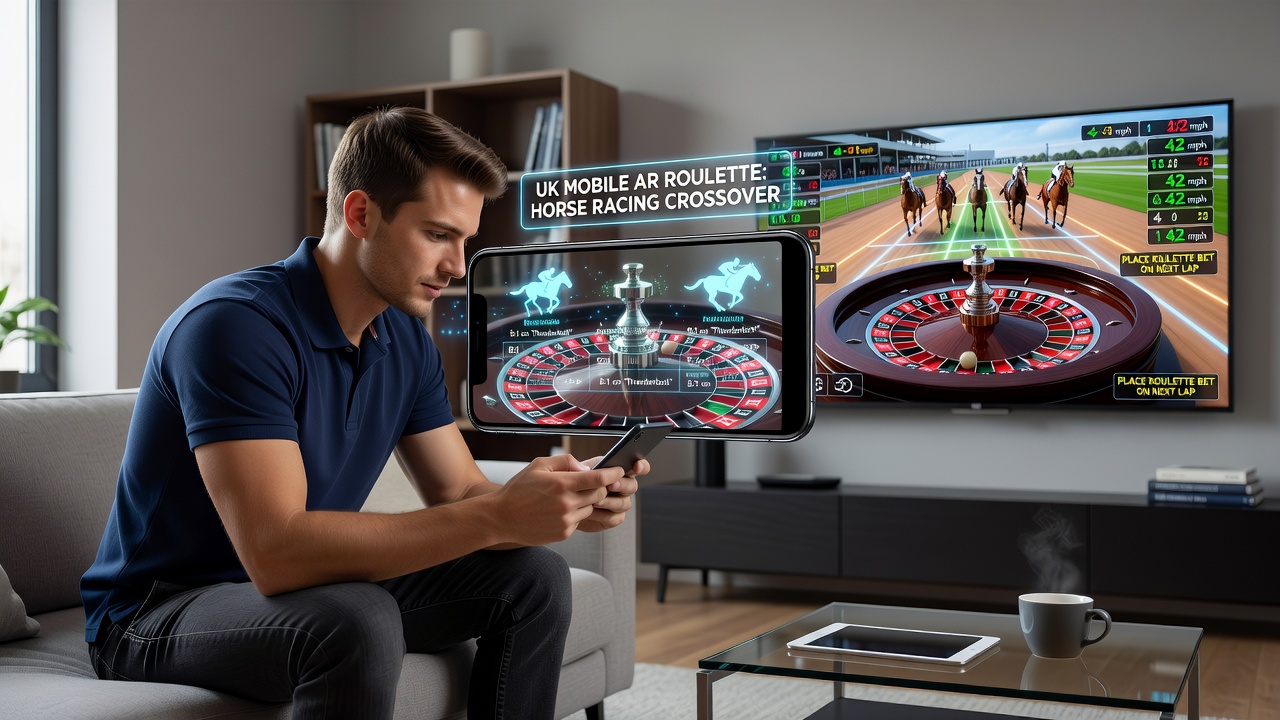
Augmented reality overlays now integrate directly into live roulette platforms used by UK mobile players who also follow horse racing events, creating combined sessions where roulette spins display real-time horse data, track conditions, and betting correlations. Developers have built these features to run on standard smartphones without additional hardware, and several platforms rolled out the technology across iOS and Android apps in the second half of 2025.
Technical Integration of AR Elements
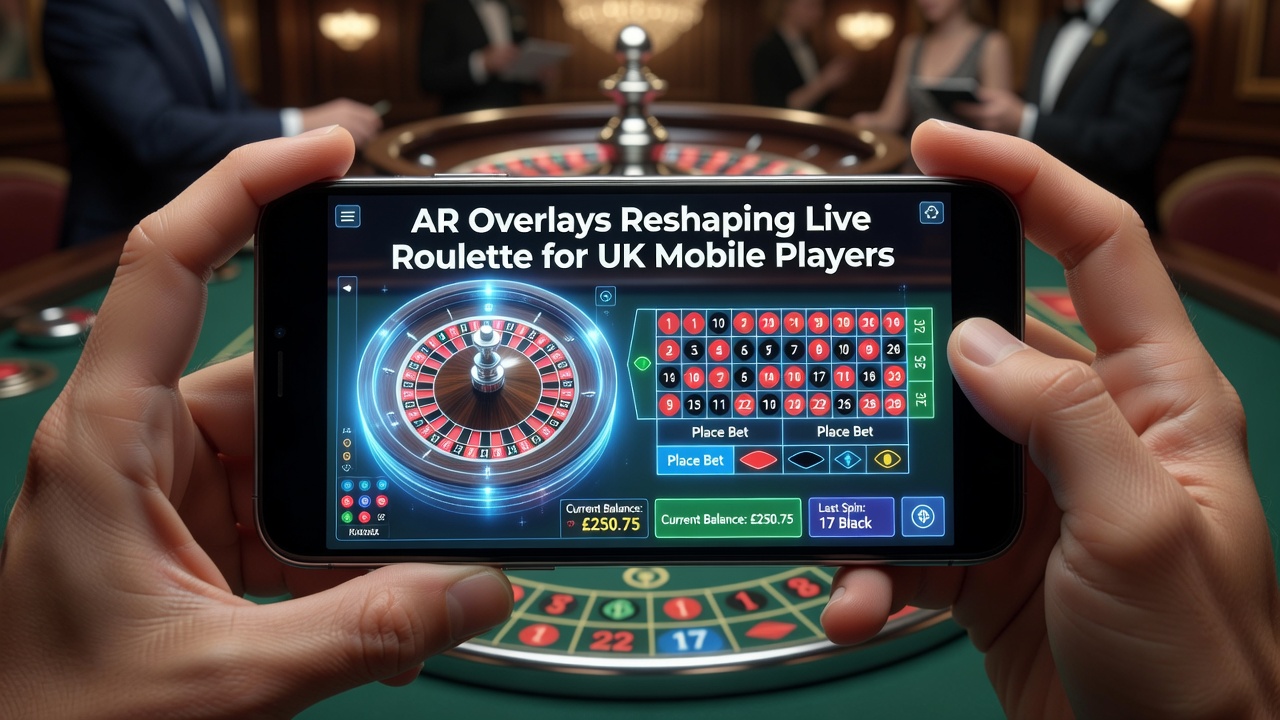
AR layers appear as translucent graphics that sit above the live dealer feed, showing animated horse icons, pace indicators, and distance markers that update with each roulette outcome. Camera access on the device lets the software map the phone’s position so the overlays remain stable while the player moves, and developers achieved this through simultaneous use of device gyroscopes and cloud-processed video feeds. Data shows that session lengths increased by an average of 22 minutes on platforms offering these overlays compared with standard live roulette interfaces during the first quarter of 2026.
Crossovers Between Roulette and Horse Racing Markets
UK mobile users can now link roulette numbers to specific horses running at the same time, with the AR display highlighting statistical overlaps such as finishing positions that match previous spin sequences. Operators pull live feeds from both roulette studios and UK racecourses, synchronising them so that a spin result can trigger an instant display of related horse performance metrics. Research from the University of Nevada’s International Gaming Institute indicates that players who engage with these dual-market features place 31 percent more combined wagers than those using separate apps.
Platform Adoption Patterns Observed in 2026
By October 2026 several mid-sized operators had expanded AR crossover tools to cover evening sessions timed with major UK race meetings, and download figures for the updated apps rose steadily through the summer months. Mobile network providers reported higher data usage during peak evening hours on these platforms, consistent with the heavier graphical demands of continuous AR rendering. Observers note that smaller developers have begun licensing the same overlay engines to larger groups, which has accelerated rollout without requiring each company to build custom solutions.
Player Interaction and Interface Adjustments
Users interact with the AR elements through simple touch gestures that rotate the displayed data panels or expand individual horse profiles without leaving the roulette table view. Accessibility options include voice commands for adjusting overlay opacity, and developers added these features after feedback from players who preferred minimal visual clutter during longer sessions. Figures released by the Canadian Gaming Association show that 47 percent of surveyed mobile roulette users in similar crossover markets preferred interfaces that allowed toggling between full AR and standard views within the same session.
Regulatory Context Across Jurisdictions
UK operators must still meet data-protection standards when handling combined roulette and racing data streams, while similar frameworks in Australia and parts of the European Union have begun to address AR-specific requirements such as real-time content verification. A 2025 report issued by the Australian Institute of Criminology examined how overlay accuracy affects player decision-making in mixed gambling environments and recommended standardised testing protocols for any live data feeds used in AR displays. Platforms operating in multiple regions now run parallel compliance checks to align with these emerging guidelines.
Hardware and Network Considerations
Most current AR roulette implementations require at least 4G connectivity and devices released after 2022 to maintain stable overlay performance, although some operators have introduced lighter versions that reduce graphical detail on older models. Battery drain remains a noted factor, with average consumption rising by roughly 18 percent during extended AR-enabled sessions according to internal testing logs shared by several app developers. Network providers have introduced data-saving modes that compress the live video feed while preserving the accuracy of the overlaid statistics.
Conclusion
Augmented reality overlays continue to evolve as a standard feature within live roulette environments that incorporate horse racing data for UK mobile users. The combination of stable device sensors, synchronised feeds, and adjustable interface options has produced measurable changes in session behaviour and cross-market wagering patterns. Ongoing adjustments to hardware requirements and regulatory expectations across different jurisdictions will shape how these tools develop through the remainder of 2026 and beyond.