Regulatory Influences on Secure Data Handling in UK Platforms Blending Bingo Sessions with Esports Wagering Features
Written by Vera Meier · Aug 24, 2026
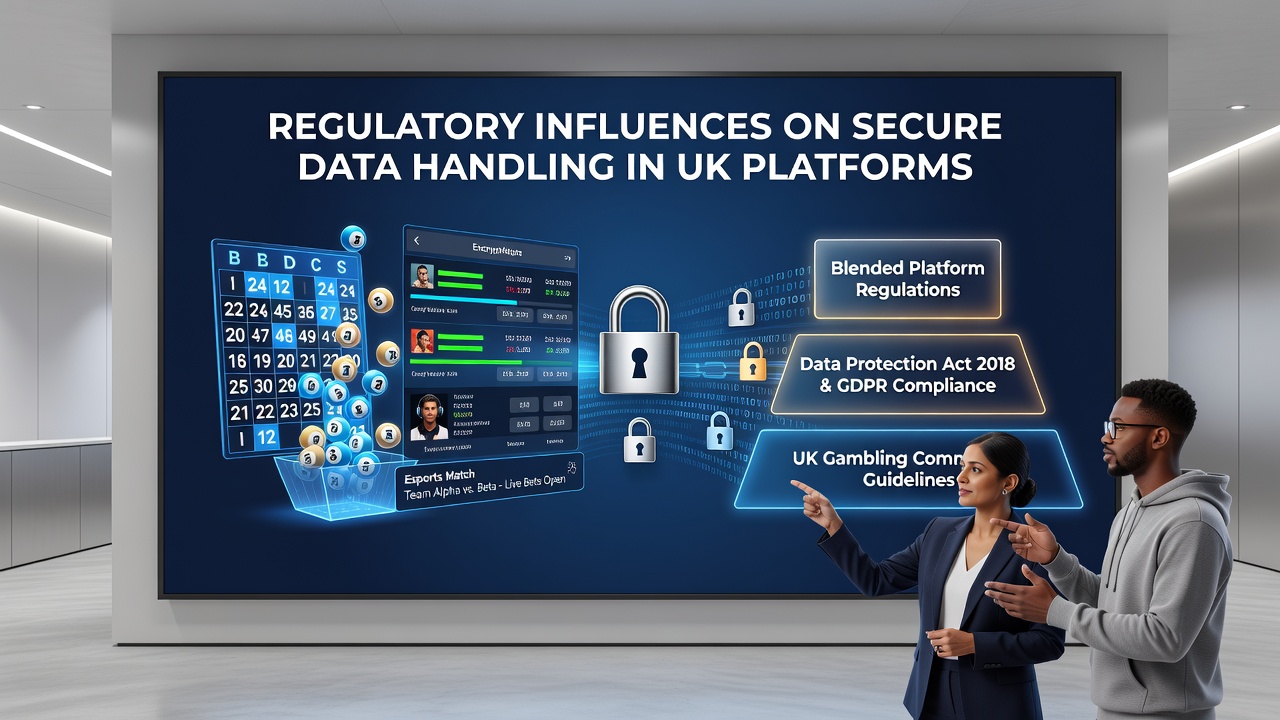
Regulatory Influences on Secure Data Handling in UK Platforms Blending Bingo Sessions with Esports Wagering Features
Platforms in the United Kingdom that combine traditional bingo sessions with esports wagering features must navigate overlapping regulatory frameworks that govern secure data handling, and these rules shape how operators collect, store, and process user information across both gaming formats. Data protection legislation such as the UK GDPR and the Data Protection Act 2018 establishes baseline requirements for personal data, while sector-specific guidelines from financial and consumer protection bodies add layers of compliance for payment details and betting records that flow through these hybrid systems.
Data Protection Standards Shaping Platform Architecture
Operators integrate bingo rounds with real-time esports betting interfaces, which means they process large volumes of personal identifiers, location data, and transaction histories in a single environment, and this integration triggers obligations around encryption, access controls, and breach notification timelines that regulators monitor closely. Research from the European Data Protection Board indicates that hybrid platforms face heightened scrutiny because user consent mechanisms must cover multiple data uses simultaneously, including marketing preferences tied to bingo loyalty programs and risk assessments linked to esports wager patterns.
Those who design these systems often implement role-based access protocols that separate bingo session analytics from esports betting ledgers, and such separations help satisfy principles of data minimisation while allowing operators to maintain unified user accounts. Figures from international privacy studies show that platforms adopting end-to-end encryption for cross-feature data transfers report fewer compliance incidents compared with those relying on segmented storage alone.
Payment Data and Cross-Border Considerations
When users fund accounts for bingo or place stakes on esports events, platforms must route sensitive financial information through secure channels that align with both domestic and international standards, and this requirement becomes more complex when operators serve audiences across the European Economic Area. Canadian regulatory guidance on digital financial services highlights similar expectations for tokenisation of card details, and UK platforms have adopted parallel techniques to reduce exposure during high-volume esports tournaments that coincide with scheduled bingo events.
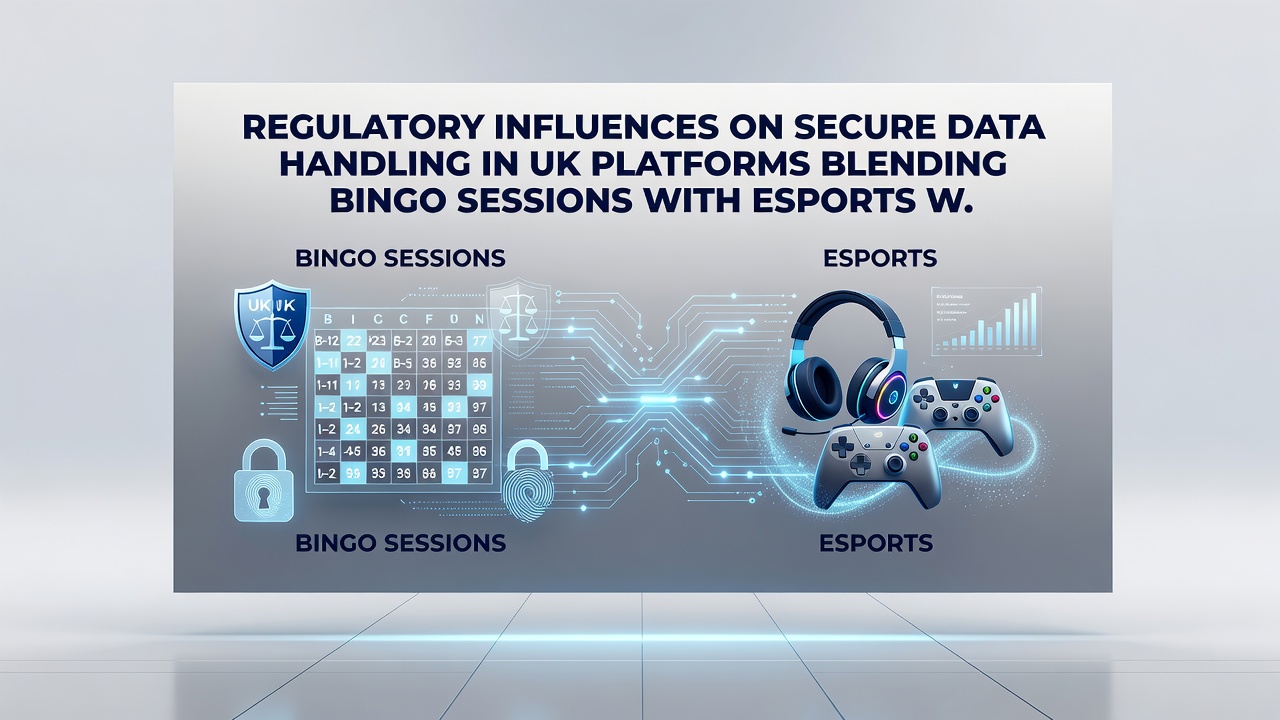
Observers note that August 2026 marks the point at which updated cross-border data transfer mechanisms under revised adequacy decisions take full effect, and platforms blending these features are already testing new contractual clauses with overseas esports data processors to maintain uninterrupted service. One study revealed that early adoption of these clauses correlates with smoother audit outcomes in jurisdictions that share similar privacy expectations.
Incident Response and Audit Obligations
Regulators require documented procedures for detecting unauthorised access to combined bingo and esports datasets, and operators must demonstrate that their monitoring tools cover both legacy bingo databases and newer esports real-time feeds within the same reporting window. Australian privacy authorities have published comparative analyses of breach response times across gaming sectors, and these findings encourage UK operators to align their internal timelines with the strictest available benchmarks.
Those responsible for compliance frequently conduct joint tabletop exercises that simulate attacks on integrated platforms, and such exercises reveal whether data flows between bingo chat logs and esports betting histories can be isolated quickly enough to limit exposure. Evidence suggests that organisations maintaining separate encryption keys for each feature achieve faster containment during simulated incidents.
Emerging Technical Requirements
Industry reports from research institutions tracking digital wagering trends describe a shift toward privacy-enhancing technologies such as differential privacy in analytics engines, and platforms that blend bingo with esports wagering are evaluating these tools to aggregate user behaviour without exposing individual session details. The approach allows continued personalisation of promotions across both formats while reducing the granularity of retained data.
What's significant is that regulators in multiple regions now reference these techniques in guidance documents, and UK platforms preparing for 2026 deadlines are incorporating them into system upgrades ahead of formal mandates. Academic papers examining similar integrations in other markets confirm measurable reductions in re-identification risks when differential privacy parameters are tuned to the volume of esports data streams.
Conclusion
Regulatory influences continue to define how UK platforms manage secure data handling across bingo and esports wagering features, and ongoing developments through 2026 will require sustained attention to encryption standards, consent frameworks, and cross-border transfer mechanisms. Operators that align their technical controls with these evolving expectations maintain operational continuity while meeting obligations set by data protection and financial oversight bodies.