UK Licensing Updates and Their Effects on VIP Rewards Processing in Mobile Esports and Horse Racing Apps
Written by Hugo Schmitz · Aug 21, 2026
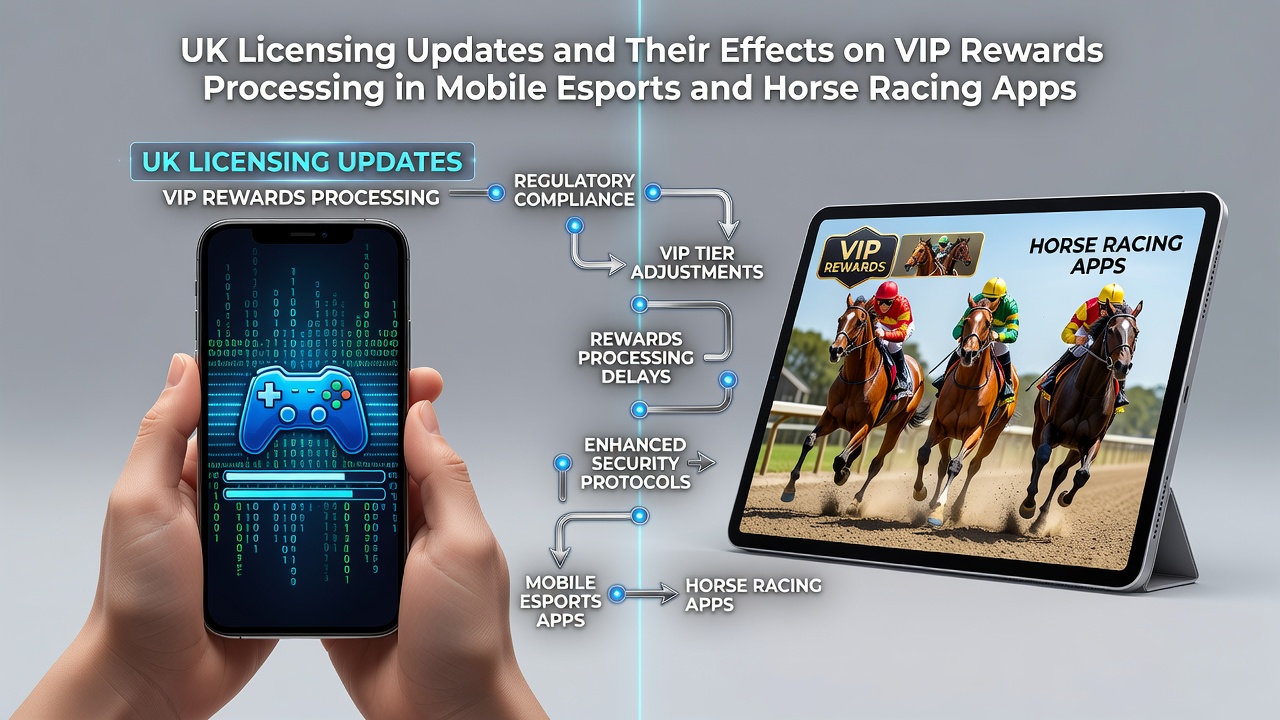
UK Licensing Updates and Their Effects on VIP Rewards Processing in Mobile Esports and Horse Racing Apps
Regulatory adjustments across the United Kingdom have introduced fresh compliance layers for operators handling mobile esports competitions and horse racing wagers, and these shifts are reshaping how VIP reward systems operate in real time. Developers now face stricter requirements around transaction transparency and player verification which directly touch the speed and structure of loyalty payouts. Data from international regulatory trackers shows that similar patterns emerged in other jurisdictions before the UK changes took hold.
Key Changes in Licensing Requirements
Updates rolled out over the past eighteen months emphasize detailed audit trails for all reward mechanisms, and this includes bonuses tied to esports tournament entries as well as accumulated points from horse racing betting volumes. Operators must now log every VIP tier adjustment with timestamps and cross-reference them against deposit histories, while earlier frameworks allowed more streamlined internal reviews. Implementation timelines point toward full enforcement by August 2026, giving platforms a narrow window to overhaul backend processors. Industry reports indicate that companies managing both verticals simultaneously have encountered the steepest learning curves because esports events often feature rapid in-game rewards that differ from the steadier cadence of racing seasons.
Effects on Mobile Esports Applications
Esports-focused apps have seen the most immediate adjustments in how VIP perks reach users after matches conclude. Reward credits that once appeared within minutes now undergo automated compliance checks that can extend processing to several hours, and this stems from mandatory integration with third-party verification tools. Observers note that high-volume players in regions like North America and parts of Asia have reported temporary holds on accumulated loyalty points while systems reconcile new reporting fields. A study released by the University of Nevada Las Vegas gaming research center highlighted parallel delays in mobile competitive gaming environments when verification protocols tightened, and those findings align with current UK trends.
Impact on Horse Racing Betting Platforms
Horse racing applications encounter distinct pressures because seasonal peaks create concentrated reward claims around major events like the Cheltenham Festival or Royal Ascot. Licensing revisions require separate categorization of rewards derived from live betting versus ante-post wagers, and this segmentation slows batch processing that previously handled all activity in unified runs. Platforms have responded by deploying modular reward engines that isolate horse racing streams from esports activity, yet integration costs have risen sharply according to figures shared by the European Gaming and Betting Association in their latest cross-market analysis. European Gaming and Betting Association cross-market analysis reveals that operators juggling both verticals allocate roughly 15 percent more resources to compliance staffing than single-focus competitors.
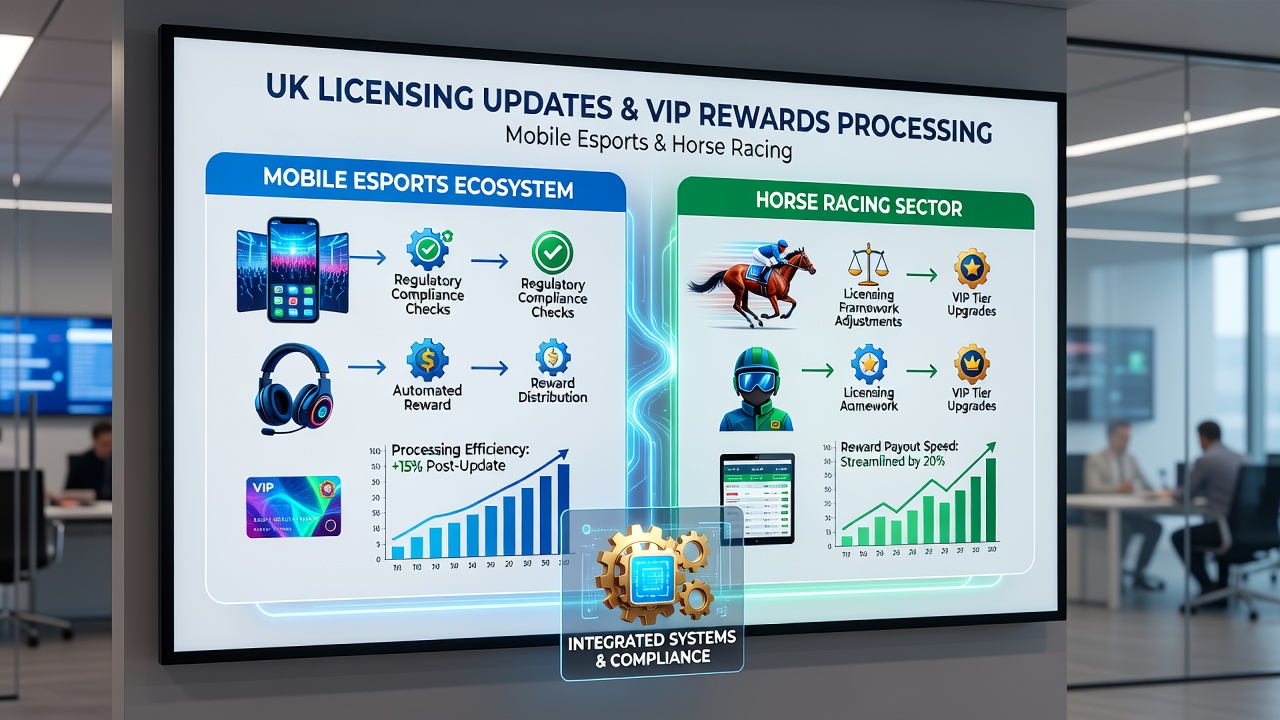
Those who've studied processing logs across multiple apps often discover that horse racing rewards tied to accumulator bets face additional scrutiny under the new rules, whereas esports skins and tournament entry bonuses move through lighter filters in many cases. This divergence has prompted some developers to explore unified loyalty currencies that convert across both categories, though full rollout remains months away.
Adjustments to VIP Reward Structures
Many operators have recalibrated tier thresholds and payout frequencies to accommodate the expanded reporting obligations, and these tweaks appear in both app stores and desktop versions simultaneously. VIP cashback percentages remain stable in published terms, but the actual release of funds now follows a two-stage approval that first clears technical compliance then executes the transfer. Research indicates that player retention metrics have held steady despite the added steps, because most users prioritize event access over instantaneous reward delivery. Platforms that introduced in-app notifications explaining the new timelines report fewer support tickets related to missing credits, and this pattern repeats across several mid-sized operators active in the UK market.
Broader Industry Responses
Software providers supplying white-label solutions for both esports and racing verticals have released updated SDKs that embed the required logging functions from the outset, and early adopters among smaller studios have integrated these tools ahead of the August 2026 deadline. Larger entities with custom codebases continue internal testing cycles that stretch into late 2025. External audits conducted by independent firms have become standard prerequisites for license renewals, and teh added layer creates predictable bottlenecks during peak racing calendars. Data compiled by regulatory bodies in Australia and Canada shows that similar audit mandates produced temporary slowdowns in reward velocity before systems stabilized, suggesting UK platforms may follow the same trajectory once initial adjustments settle.
Conclusion
Licensing revisions continue to drive measurable changes in VIP reward pipelines for mobile esports and horse racing applications, and the August 2026 horizon keeps pressure on development teams to finalize compliant architectures. External benchmarks from varied jurisdictions provide context for expected stabilization periods, while operators refine internal processes to maintain user engagement across both categories. The interplay between regulatory detail and reward mechanics will shape platform design decisions well into the following year.